

Announcement

#1 2019-01-07 02:15:12
- Svetonio
- Member
- Registered: 2012-03-11
- Posts: 8831
What's Prog?
There's a kind of taboo at the music forums these days about the question that has been asked so many times by the newbies, especially in this decade – what's prog? Indeed, it's like a moratorium on this subject because it stirred up too much arguing at discussion boards and among the forums' 'influential members' & moderators. As this forum is safe from that dangerous situation, and as I am an old fart who started in 1975 to buy the records seriously, to read music-zines, and to attend concerts, I will try to explain to the newbies – at least to those that come to read this forum – how "Prog" was born, what it was, and what "Prog" is now. First of all, it's important to understand that "prog" — a term derived from progressive rock — is merely one of the genres that make up the meta-genre known as progressive music. But, we must start from the beginning, because most of the newbies don't know what 'Rock' is, so how then to explain to them what progressive rock was/is? Thus, firstly – what is Rock?
Offline
#2 2019-01-07 03:14:31
- Svetonio
- Member
- Registered: 2012-03-11
- Posts: 8831
Re: What's Prog?
In the years before Rock was born, popular music consisted of genres like yé-yé, rockabilly, rock 'n' roll, folk, blues, R&B, soul, jazz, and Schlager. Rock as a distinct genre (capital R, no "roll") was defined by London-based mod bands who played Tamla Motown's R&B standards with greater aggression. In doing so, they invented the genre's most defining feature: the riff. No riffs, no Rock. For example, when Pete Townshend starts the riff in I Can't Explain, that's Rock. When Keith Richards starts the riff in (I Can’t Get No) Satisfaction, that's Rock. Lyrically, Rock also broke from the popular music tradition of "sweet" verses. Rock lyrics became serious, socially oriented, bitter, and anti-establishment.
The Who's song My Generation (1965) is the true birth of Capital-R Rock. My Generation is rightfully called revolutionary because it combined raw, aggressive youthful rebellion with groundbreaking musical techniques. John Entwistle's bass solo completely redefined the role of the bass guitar from a background rhythm instrument into a bold, front-and-center lead voice. Keith Moon's chaotic, crashing drum rolls and Townshend's heavy power chords and feedback codas pushed the volume and energy limits of 1960s pop music. Meanwhile, Roger Daltrey's staccato, stuttering delivery simulated a frustrated young person struggling to find a voice, mimicking amphetamines or speech blocks under pressure. To anchor this chaos, Townshend used his Rickenbacker 360-12 to deliver rapid, aggressive down-stroke quarter-note chords. Culturally, lines like "I hope I die before I get old" captured the frustration of post-war teenagers who felt ignored by older generations, turning teenage angst into a loud, defiant manifesto.
NME journalist Nick Logan was right when he wrote in The Illustrated New Musical Express Encyclopedia of Rock (1976) that The Who's My Generation was the song that drew the line between pop and rock; I'd add that it did so both musically and lyrically.
to be continued..
Offline
#3 2019-01-07 08:27:02
- Svetonio
- Member
- Registered: 2012-03-11
- Posts: 8831
Re: What's Prog?
Anyone in the music forums will be only too happy to explain to a beginner just how pivotal the psychedelic movement was for the emergence of progressive rock; this is entirely understandable, given that prog rock was born from the chaos of the psychedelic milieu of Swinging London, blending 'Rock' (capital R and no roll), British beat, jazz, folk, and European classical traditions; to the question of "what is psychedelic, and how did it occur?" many will immediately shout about LSD and San Francisco 1966, i.e., the Summer of Love, or they're just going to praise some albums from the early hippie scene of electrified folk music that is wrongly called "Rock." Some people say that psychedelia was actually a zeitgeist, which is true. Yes, it was a zeitgeist, and it is true that acid was legal and fresh, but from which event did that zeitgeist exactly come about? i.e., who let the genie out of the bottle? Who is to blame for such an important movement not only in music but also in visual arts, literature, films, and fashion? Well, it was in 1965 at an LSD–fueled party in Zsa Zsa Gabor's mansion in Los Angeles; there, The Beatles were introduced to Ravi Shankar's sitar music by The Byrds frontman Roger McGuinn. That impact was so strong that it inspired George Harrison to buy a sitar for the Rubber Soul sessions later that year, deeply influencing Revolver in 1966. This musical awakening ultimately led Harrison to take formal lessons from Shankar, eventually drawing the band to India in 1967 to meet Indian guru Maharishi Mahesh Yogi.
The rest of the story is the well-known history of psychedelic music as a meta-genre and psychedelic rock as one of its genres, given that The Beatles were "more popular than Jesus" at the time. Psychedelia soon developed further with bands such as Pink Floyd in the UK and the Grateful Dead and The Doors in the US, often blending its experimental, mind-expanding character with the emerging progressive rock idiom. And progressive psychedelia was born. It is essential to highlight that psychedelia, merged with the progressive music idiom, persisted throughout the seventies, contrary to the common belief that psychedelic music died out when the sixties gave way to the seventies. For example, the progressive psychedelic song Fly Like an Eagle by the Steve Miller Band reached number two on the US Billboard Hot 100 during the week of March 12, 1977. On the album of the same name, the song segues into Wild Mountain Honey; both songs are perfect examples of progressive psychedelia in the 70s. On the other side of the Atlantic, Anglo-French group Gong serves as a splendid example of the progressive psychedelia of the seventies, prior to their transition to space-rock and then to jazz-rock.
Beyond the Anglo-American bubble, continental Europe boasted a vibrant wave of progressive psychedelia during the late sixties and seventies. Take Italy's Le Stelle di Mario Schifano, whose 1967 track Le Ultime Parole di Brandimante, dall'Orlando Furioso, Ospite Peter Harman e Fine ("The Last Words of Brandimante, from Orlando Furioso, Guest Peter Harman and The End") stands as a monumental example. Clocking in at almost 18 minutes, this sprawling, progressive psychedelic composition—with its fierce avant-garde component—proves that continental Europe was completely neck-and-neck with the Anglo-American music world in terms of raw, pioneering ideas, even if its overall production output was smaller. For instance, the 1968 song I'm Gonna Tell You (Part I) by the Slovenian band Kameleoni serves as another fantastic early benchmark of this movement; originally released as a 7-inch single, it highlights the region's capacity for adventurous, mind-bending soundscapes. That same year, Hungarian icons Omega released the truly progressive psychedelic composition Holnap ("Tomorrow") (1968) on their debut album. The track masterfully balances dynamic sonic shifts with peaceful, guitar-driven interludes, all anchored by psychedelic licks and a sweeping Hammond organ. By 1970, this sonic exploration reached Czechoslovakia, perfectly captured in the beautiful, melancholic architecture of the progressive psychedelic song Sluneční hrob ("Sunny Grave") from the landmark debut album Meditace ("Meditation") by Modrý Efekt (then operating as The Blue Effect). Crossing into Austria, the haunting 1972 self-titled LP by Viennese outfit Paternoster pushed these boundaries into even darker territory. Their psychedelic-prog composition Mammoth Opus O, for example, wraps listeners in a somber atmosphere drenched in eerie, distorted, church-like organs. This thriving regional creativity is just as evident in the Swiss ensemble Krokodil and their beautiful 1972 track And I Know. Characterised by an expansive melodic structure, the piece builds an immersive listening experience out of dreamy guitar passages, shimmering electric piano, rich vocal harmonies, and swelling Mellotron accents that evoke a sense of spacious magnificence. To illustrate how this sound matured later in the 1970s, the 13-minute epic King and Queen (1976) by German band Lightshine exemplifies the hypnotic, guitar-driven ethos that defined Central European progressive psychedelia. While many casual listeners today lump this entire spectrum under the umbrella of "krautrock," the term was originally a pejorative coined by the British press. It was a lazy way to label German and Central European experimentalism as "pretentious garbage," simply because critics at the time couldn't distinguish genuine innovation from cultural otherness.
Simultaneously, a distinct and equally fascinating sonic landscape was unfolding in Southeast Europe. A prime example is Osećanje ("The Feeling"), a spooky and engrossing piece of progressive psychedelic music from the 1976 sophomore album by Serbian trio Dah (who were then well-known in Belgium because of their psychedelic folk-rock radio-hit single Shoshana, which they recorded there under the name Land). This Southeastern regional psychedelic wave is beautifully complemented by the Greek outfit Akritas; their ethereal, acoustic-guitar and keyboard-driven track Το Όνειρο ("The Dream") from their seminal 1973 self-titled album serves as a magnificent testament to how deeply the progressive psychedelic ethos had anchored itself in the Balkan and Mediterranean musical underground. In the 1970s Mediterranean, the trail of progressive psychedelia winds even further south. Moroccan composer and keyboardist Abdou El Omari masterfully fused traditional North African music with spaced-out, hypnotic arrangements. His 1976 instrumental masterpiece, Nuits d'Été ("Summer Nights"), was officially reissued on vinyl by Radio Martiko in 2017 and is available digitally on Bandcamp. Abdou El Omari seamlessly blended ancestral Moroccan rhythms with cosmic textures – filtering his Farfisa melodies through heavy echo effects while frequently switching to an analog ARP Odyssey synthesiser to craft a truly distinct, space-age atmosphere.
Another captivating manifestation of this sonic evolution is space-rock, a subgenre of progressive psychedelia whose lineage can be traced back to the English outfit UFO. Whilst they would subsequently pivot towards hard-rock and later heavy-metal – with the blistering 1977 title track Lights Out serving as a 100% pure, proto-NWOBHM sonic blueprint years before the movement officially got its name – the band's first two albums stand as quintessential, hallucinatory blueprints of the space-rock style. Essential to the space-rock aesthetic is the hypnotic deployment of the wah-wah pedal, which sweeps through frequencies over a repetitive, driving rhythm section with a pumping bass line and sharp, looping riffs to create a dizzying sense of cosmic momentum. This celestial trajectory was arguably perfected by Hawkwind, a band that transformed space-rock into a heavy, hypnotic assault of driving rhythms and sci-fi mysticism. Their seminal 1972 live album, Space Ritual, utilized pulsing audio generators and the dystopian poetry of Michael Moorcock to create an overwhelming, ritualistic wall of sound that felt less like a traditional rock concert and more like an actual voyage through a hostile cosmos. On a vastly different, more radiant spectacular of the same galactic map stood Steve Hillage, whose work both with Gong and on solo masterpieces like Fish Rising (1975) and L (1976) brought a shimmering, spiritual virtuosity to the genre. Hillage masterfully blended soaring, eco-cosmic guitar glissandos with intricate synthesiser tapestries, proving that seventies space-rock could be just as much about enlightenment and utopian bliss as it was about the dark, infinite void.
The Beatles Norwegian Wood (This Bird Has Flown) (from Rubber Soul, 1965)
The Beatles Tomorrow Never Knows (from Revolver, 1966)
The Beatles Rain (7'' single, 1966)
The Beatles Strawberry Fields Forever (from 7-inch single, 1967)
Ravi Shankar Back to Earth (from Chappaqua, 1966)
Pink Floyd Arnold Layne (7'' single, 1967)
Pink Floyd Interstellar Overdrive live 1968, broadcast on German ARD TV
The Doors Not to Touch the Earth (from Waiting for the Sun, 1968)
Grateful Dead That's It for the Other One (from Anthem of the Sun, 1968)
Grateful Dead Mountains of the Moon (from Aoxomoxoa, 1969)
Grateful Dead Dark Star (from Live/Dead, 1969)
Le Stelle di Mario Schifano, Le Ultime Parole di Brandimante, dall'Orlando Furioso, Ospite Peter Harman e Fine (The Last Words of Brandimante, from Orlando Furioso, Guest Peter Harman and The End) (from Dedicato a.., 1967)
Kameleoni I'm Gonna Tell You (Part I) (from 7-inch single, 1968)
Omega Holnap (Tomorrow) (from Omega Red Star: From Hungary, 1968)
Modrý Efekt Sluneční hrob (Sunny Grave) (from Meditace, 1970)
Paternoster Mammoth Opus O (from Paternoster, 1972)
Steve Miller Band Fly Like an Eagle live @ the Palace Theater, NYC 1973
Gong Witch's Song/I Am Your Pussy live @ French TV 1973
Krokodil And I Know (from Getting Up for the Morning, 1972)
Akritas Το Όνειρο (The Dream) (from Akritas, 1973)
Dah Osećanje (The Feeling) (from Povratak, 1976)
Lightshine King and Queen (from Feeling, 1976)
Abdou El Omari رجعت العيون (The Return of the Eyes) (from Nuits d'Ete, 1976)
UFO Star Storm (from UFO 2: Flying, 1971)
Hawkwind The Watcher live @ Cleveland, 1974
Steve Hillage Hurdy Gurdy Glissando live @ BBC, 1976
Steve Hillage It's All Too Much (The Beatles cover) live @ Rockpalast, 1977
to be continued...
Offline
#4 2019-01-08 09:27:00
- Svetonio
- Member
- Registered: 2012-03-11
- Posts: 8831
Re: What's Prog?
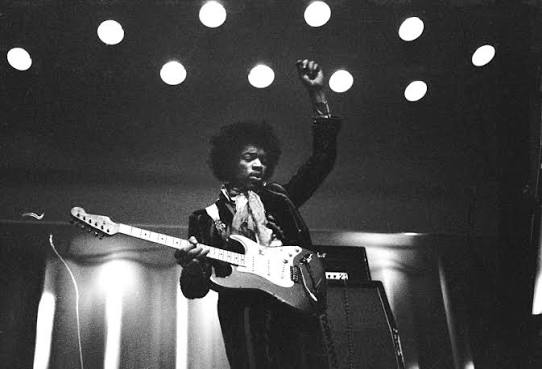
And like The Who, with their aggressivity, all that noise and Townshend's riffs, but also with lyrically relieved 'rock' music from the then popular music's binding rule that "the music for masses has to be nothing but pleasant" and directed it towards both lifelike, social topics and "too weird" fantasies, and like The Beatles, who were acting like a collective creative mind on LSD while they expanded that expressive palette for pop-rock music, Jimi Hendrix was also responsible for creating the conditions for the birth of progressive rock because he gave an amazing musical metamorphosis to lead guitar; due to Jimi, the meaning of electric guitar solo has changed once and forever, and hence allowed every skilful guitarist to sharpen his own musical vocabulary in his solo part.
Hendrix appeared at the scene at the right moment, i.e., at the time when psychedelic rock movement took place in Swinging London's underground clubs and led by Syd Barrett's Pink Floyd, experienced the upper point of its creativity and when the path from there must have led towards a more complex and more demanding sound. As an extremely gifted musician, Jimi finally broke the dogma about the split on the rhythm and lead guitar and showed to everyone that a trio formation of the guitar-bass-drums didn't say everything with the 60s acts like Cream and the aforementioned The Who. As a guitar genius, Hendrix used feedback as a natural extension of the instrument and put his astonishing solo lines on a terrific accordion basis. Well, the importance of Jimi's electric guitar revolution for the birth of progressive rock is not even needed to be explained in particular – just have in mind that for "soaring" guitar solos as one of Prog's landmarks, we must thank Jimi.
The Wind Cries Mary and Purple Haze live in Stockholm, 1967
Wild Thing live at Monterey Pop Festival, 1967
Bold as Love Olympic Studios, London, UK, October 5, 1967
to be continued..
Offline
#5 2019-01-09 11:12:00
- Svetonio
- Member
- Registered: 2012-03-11
- Posts: 8831
Re: What's Prog?
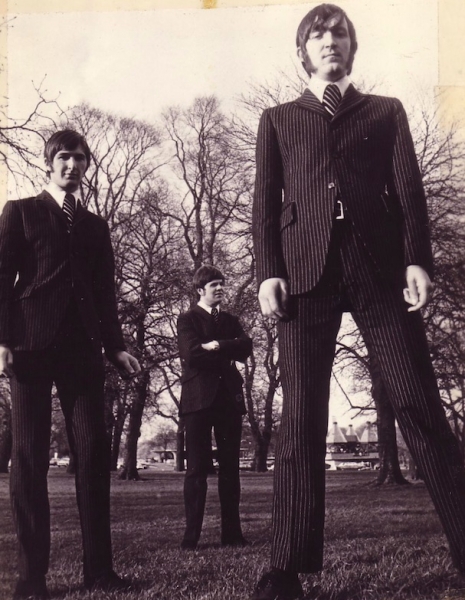
"1-2-3", 1966
Thus, as far as we know now, what had to happen on London's scene prior to the birth of progressive music is a quite logical question—how did it all begin? Actually, our beloved genre came out from three directions; one direction was created by an artist who came to London from Scotland. His name is Billy Ritchie, and he led a band called 1-2-3 (later renamed to Clouds). The way that Ritchie played his extended solos on the Hammond organ, his imitations of the sounds of church organ that were merged with their vocal harmonies on the basis of a melodic pop song, was something completely new and never heard before. In the music press, the band was described as "a unique group who have created an entirely new sound in pop group music." A crowd of Swinging London's underground scene that was pretty receptive to new & "weird" things due to the then "psychedelic" zeitgeist enthusiastically called Ritchie's music "progressive." Hence, Ritchie's style was immediately adopted by young and talented keyboard player Keith Emerson, and the style developed further with Emerson's band. The Nice; it later became known as "symphonic rock" as a genre with a focus on the keys, a lot of virtuosity, and the use of classical music sounds, without heavy riffs and without the aggressiveness of the above-mentioned "rock" genre.
Sadly, 1-2-3 weren't lucky enough to record an album at the right time. However, Billy Ritchie's importance & influence is undeniable.
America by 1-2-3, live in Marquee, London 1967
Waiter There's Something in My Soup by Clouds (from Up Above Our Heads, 1968)
Heritage by Clouds (from 7-inch single, 1969)
Sing, Sing, Sing (Benny Goodman cover) by Clouds (from Up Above Our Heads, 1969)
Rondo by The Nice, live at Swidish radio, 1967
Ars Longa Vita Brevis by The Nice, live at The Fillmore East, 1969
America by The Nice, live appearance at Swiss tv show "HitsAGoGo", 1968
Diary of an Empty Day by The Nice (from Nice, 1969)
Ballad-like compositions play a very important role in the symphonic rock genre. Nights in White Satin, the first ballad-like symphonic rock song ever released on vinyl, appeared as a single on Deram in 1967 and had a significant impact on later bands.
Nights in White Satin by The Moody Blues (from 7-inch single, 1967)
Another sympho-rock ballad-like track from the genre's early days, Procol Harum's Grand Finale is instrumental and has a strong orchestral atmosphere. The chorale heightens the grandeur of a wonderful conclusion. It's a highly influential track as well.
'Twas In I: e) Grande Finale by Procol Harum (from Shine on Brightly, 1968)
Featuring future members of hard-rock band Uriah Heep, The Gods' 1968 debut album Genesis features this hidden ballad-like symphonic rock gem. It's a gorgeous, slow-burning song with soaring vocals, classical piano, early Mellotron-esque organ, and a haunting atmosphere that foreshadows many of the sympho-rock ballad-like anthems of the 1970s.
Looking Glass by The Gods (from Genesis, 1968)
Epitaph is a magnificent, ballad-like sympho-rock piece from King Crimson's debut album from 1969. As performed by the sad lament of the Mellotron and the powerful yet poignant vocalisation of Greg Lake, it sounds like a grand and sombre hymn, capturing the majesty of symphonic rock and the poetry of a dark and tragic ballad.
Epitaph by King Crimson (from In the Court of the Crimson King, 1969)
to be continued...
Offline
#6 2019-01-09 23:31:44
- Svetonio
- Member
- Registered: 2012-03-11
- Posts: 8831
Re: What's Prog?

Stylistically quite the opposite of ‘1-2-3’ and The Nice, whose songs were tagged by the audience as “progressive music” – later called "symphonic rock" – due to the lack of rock riffs and aggressiveness, as their style was developed on a pop-song basis with a charming addition of classical music sounds and keyboard virtuosity, progressive rock as a genre came from “rock”, which has a long tail in Black R&B roots.
The first representative of that musical direction was a band called Family, who moved to London from Leicester, a city in the East Midlands of England. Family merged their R&B roots with odd time signatures, folk music, a hint of jazz, and several unusual instruments for a rock band at the time, including a cello, violin, Mellotron, and two saxophones; they were also the first band whose lead vocal – provided by frontman Roger Chapman – was treated as an instrument. Therefore, Family promptly earned the “progressive” tag from audiences and journalists; progressive rock was born.
As a group of great instrumentalists, Family quickly became one of the best live attractions on the underground scene. In December 1967 and early 1968, they recorded the first progressive rock album ever; a masterpiece titled Music in a Doll's House was released in July 1968. Driven by Roger Chapman's astonishing, vibrato-laden vocals, this ambitious record seamlessly weaves together rock, jazz, folk, experimental music and classical arrangements to create a uniquely inventive period piece. Upon its release, contemporary critics heavily praised the album in the British music press, with NME journalist Nick Logan famously hailing Music in a Doll's House as a "revolutionary record". Other reviewers similarly marvelled at the group's bold, progressive approach, with papers widely celebrating the LP as an exceptionally distinctive and mature debut.
Family captured live by French TV performing their song Me My Friend at the Speakeasy, London, 1967:
Family Home Town (7-inch single, 1968)
Family Voyage (from Music in a Doll's House, 1968)
Family The Weavers Answer, appearance at Dutch TV programme TopPop, 1970
Family Drowned In Wine, live television performance from 1970
to be continued..
Offline
#7 2019-01-10 10:45:32
- Svetonio
- Member
- Registered: 2012-03-11
- Posts: 8831
Re: What's Prog?
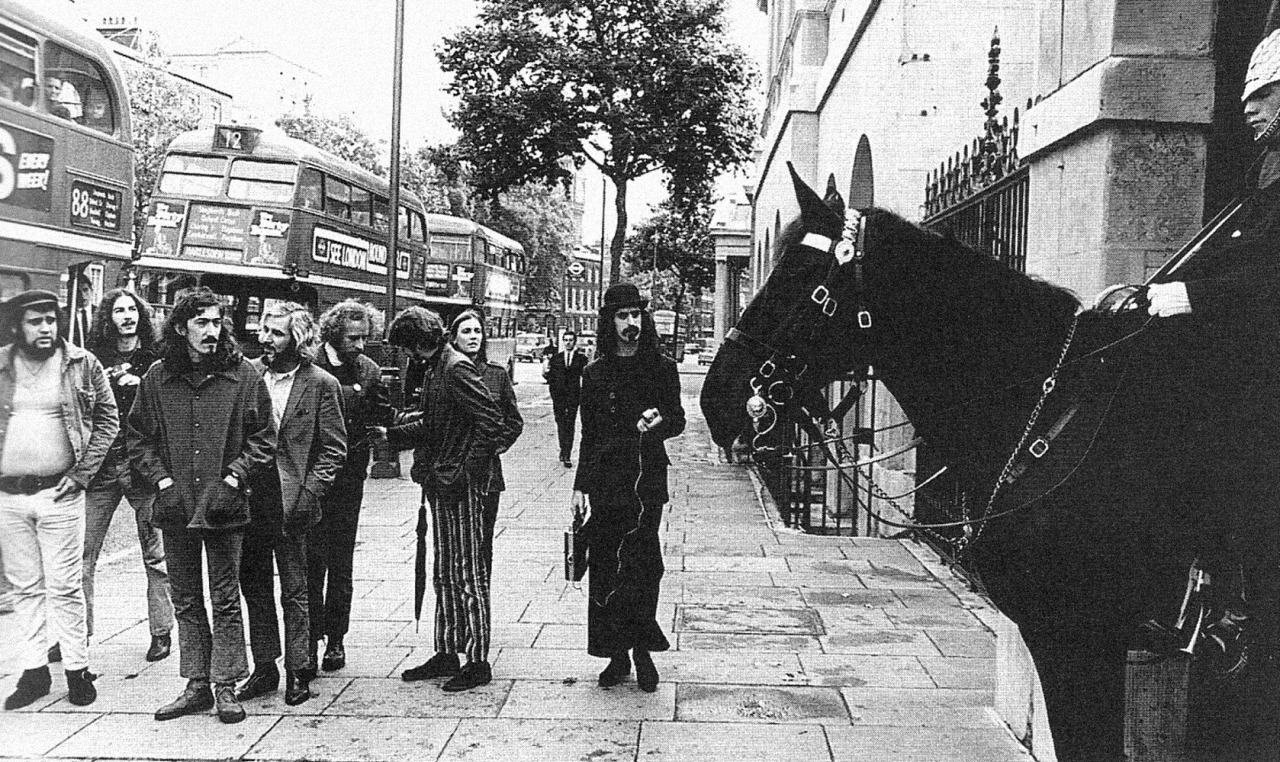
The Mothers of Invention in London, 1968
In 1966, American avant-garde musician Frank Zappa and his band The Mothers of Invention released a double album of experimental rock titled Freak Out!, which gained some success in England. Hence, they were playing in England in 1968, where they heavily influenced the English underground band Soft Machine, and that influence has creatively pushed Soft Machine to invent their own "progressive," surrealistic, humorous, dreamy, and pastoral mixture of psychedelia, jazz, and underground rock that decades later will be labeled as "Canterbury scene" as a distinct genre. The Mothers of Invention are also to blame for the music of British and European experimental rock bands like Henry Cow, Magma, Aksak Maboul, Samla Mammas Manna, Buldožer, et cetera.
The Mothers of Invention The Return of the Son of Monster Magnet (Unfinished Ballet In Two Tableaus) (from Freak Out!, 1966)
The Mothers of Invention live in London, 1968
In 1969, Frank Zappa entered the no-man's land between experimental rock and progressive fusion with his album Hot Rats, and in particular with that landmark composition, much-loved among progheads, The Gumbo Variations:
Frank Zappa The Gumbo Variations (from Hot Rats, 1969)
Meanwhile, on the other side of the Atlantic, and right under the noses of the London underground and progressive jazz scene, Canterbury's own Soft Machine were staging a radical coup, marking the beginning of another thrilling chapter in experimental music. By the late 1960s, they had rapidly shed their whimsical psychedelic pop skin to dive headfirst into completely uncharted, avant-garde, slightly Dadaistic waters. Driven by Mike Ratledge's fuzz-drenched, heavily distorted organ and Robert Wyatt's uniquely eccentric drumming and vocals, their sound became wonderfully dense, challenging, and unashamedly British. This early material effectively laid the blueprint for Europe's parallel jazzy and experimental music movement, proving that you didn't need to mimic the slick, powerhouse American virtuosity to completely rewrite the musical rulebook.
Soft Machine So Boot If at All (from The Soft Machine, 1968)
Soft Machine live, 25 August 1968 Ce Soir On Danse
Soft Machine live at the Blizen Jazz and Pop Festival, 1969
Speaking of pushing the absolute limits of the genre, we can't talk about what's prog without mentioning Henry Cow. They completely threw out the commercial rulebook, blending modern classical, free jazz, The Mothers of Invention influences, and Canterbury scene complexity to map out the blueprint for British experimental rock. If you want a brilliant entry point that captures their sheer musical intelligence, their 1973 debut, Legend, is a perfect example of how prog can be fiercely avant-garde, mathematically precise, and beautifully unpredictable all at once.
Henry Cow Teenbeat (from Legend, 1973)
English jazz-rock guitarist Allan Holdsworth's first band, 'Igginbottom, was formed in 1968 in Bradford, West Riding of Yorkshire. This band is often overlooked when discussing the origins of the jazz-rock genre. However, their sole album, 'Igginbottom's Wrench (1969), actually played a pivotal role in defining the genre at a time when the jazz-rock movement was still unsure of its direction.
'Igginbottom Golden Lakes (from 'Igginbottom's Wrench, 1969)
Allan Holdsworth with Soft Machine, live in Switzerland, 1974
Allan Holdsworth with The Pat Smythe Trio, TV Festival gig for European Radio / the BBC segment, 1974
Allan Holdsworth Velvet Darkness (from Velvet Darkness, 1976)
Allan Holdsworth's revolutionary technique and complex harmonic approach profoundly shaped the evolution of European jazz-rock guitarists, serving as a direct inspiration for virtuosos like Vlatko Stefanovski of the Macedonian jazz-rock band Leb i Sol.
Leb i Sol live in Belgrade 1978
Max Suñé, the guitarist of the 1970s Spanish jazz-rock powerhouse Iceberg, brilliantly infused his fiery Mediterranean phrasing with the ultra-fluid legato, blistering speed, and complex harmonic shapes pioneered by Allan Holdsworth.
Iceberg TV appearance 1977
The radical evolution of the progressive fusion genre was arguably happening across the Atlantic with Tony Williams Lifetime. Formed by the teenage jazz prodigy Tony Williams after he left Miles Davis's quintet, this American ensemble—featuring Larry Young on organ and John McLaughlin on guitar—became the definitive architects of progressive fusion. Rather than merely blending styles, they deconstructed them, utilizing Williams' explosive, polyrhythmic drumming to drive a dense, high-voltage sound that prioritized improvisation and technical virtuosity over traditional song structures. Their 1969 debut, Emergency!, stands as a monumental touchstone of American progressive fusion.
John McLaughlin was a British guitarist, who moved from London to the USA precisely to join this band and play with Miles Davis. The connection with Britain became much stronger when the band was joined on the second album Turn It Over (1970) by the famous Scottish bass player Jack Bruce, a former member of the iconic British psychedelic blues-rock group Cream (also, later Lifetime lineups featured Allan Holdsworth). Because of this, their performances and tours of the UK are legendary and leave a strong impact on the British underground music scene.
The Tony Williams Lifetime A Famous Blues live @ Beat-Club, Germany 1970
If Tony Williams Lifetime built the foundations, it was the Mahavishnu Orchestra that elevated the American style of progressive fusion into a realm of spiritual and terrifyingly precise jazz-rock. Formed in 1971 by the British guitar maestro John McLaughlin following his departure from Lifetime and Miles Davis's circle, this multinational powerhouse rewrote the limits of what a rock-adjacent band could achieve. Bringing together the volcanic drumming of Billy Cobham, Jan Hammer's searing keys patches, Jerry Goodman's electrified violin, and Rick Laird's rock-solid bass, the ensemble channelled a unique blend of complex Indian classical rhythms, jazz improvisation, and an instrumental prog-rock idiom. Their early masterpieces, particularly The Inner Mounting Flame (1971) and Birds of Fire (1973), introduced a staggering level of inter-instrumental dialogue and breakneck unison runs. Shortly after, Cobham delivered his masterpiece solo album, Spectrum. It was a dizzying, uncompromising sound that completely captivated the progressive music community.
Mahavishnu Orchestra Meeting of the Spirits/You Know You Know Live @ BBC, 1972
Mahavishnu Orchestra Birds of Fire (from Birds of Fire, 1973)
Billy Cobham Stratus (from Spectrum, 1973)
Parallel to McLaughlin's sonic storm, keyboard wizard Chick Corea was charting a similarly monumental path with his own outfit, Return to Forever. While the band initially began with a breezy, Latin-jazz disposition, they rapidly transformed into an absolute powerhouse of high-voltage jazz-rock. The definitive piece of their sonic puzzle fell into place in 1974 with the arrival of a nineteen-year-old guitar prodigy named Al Di Meola, whose blistering speed and crisp, percussive alternate-picking technique added a fierce, sharp-edged virtuosity to the group. Alongside Stanley Clarke's revolutionary, lead-driven electric bass lines and Lenny White's explosive drumming, this classic lineup reached creative zenith on their landmark 1974 release, Where Have I Known You Before. The album perfectly captured their newly unlocked progressive synergy, seamlessly juxtaposing Stanley Clarke and Lenny White's funk-inflected grooves and Di Meola's fiery phrasing against Corea's dreamy, multi-keyboard tapestries. Soon later, Clarke, White, and Di Meola released their phenomenal solo albums, Venusian Summer, Stanley Clarke, and Land of the Midnight Sun, which are also pivotal moments for the jazz-rock genre in its heyday of the mid-70s.
Return to Forever The Shadow of Lo live @ Evergreen College, 1974
Return to Forever Song to the Pharoah Kings (from Where Have I Known You Before, 1974)
Stanley Clarke Vulcan Princess (from Stanley Clarke, 1974)
Lenny White Chicken-Fried Steak (from Venusian Summer, 1975)
Al Di Meola The Wizard (from Land of the Midnight Sun, 1976)
A European counterweight to the American high-octane, warm, often funk-oriented fusion, found its spiritual home in Munich. German producer and musical visionary Manfred Eicher was arguably the first to explore the territory of progressive fusion with ambient flair, pioneering an approach through his legendary label, ECM Records, that traded the dense, blistering volume of the American scene for spatial awareness and stark atmospheric tension. Eicher's approach invites you to experience the vastness and loneliness of some wintry landscape, where every note seems as if it might freeze on a twig.
That said, the most influential figure in this icy, European take on progressive fusion was the Norwegian guitarist Terje Rypdal. He was the one who could take the raw materials of American innovators — Jimi Hendrix's electricity and Miles Davis's penchant for chaos — and shape them into something befitting Northern Europe's colder climes. If compared to a painter, Rypdal is closer to the impressionists in the way he suggests the sensation of space and movement with the help of loose brushstrokes and a consistent use of white colour. In terms of musical content, his 70s ECM albums could be seen as a continuation of the tradition of U.S. progressive fusion acts, but with a European twist. His album Waves (1978) itself is loaded with headroom, featuring Sveinung Hovensjø's driving electric bass and the resourceful support of drummer Jon Christensen. The ingredients are the same as in any electric fusion music, but the overall effect is quite different: instead of experiencing the shearing force of a hundred separate sounds vying for attention, the listener is mesmerised by the sheer power of the electric guitar as an instrument that can produce dramatic effect. This is where Rypdal fits in as a bandleader, juxtaposing the exposed beauty of his guitar melodies against the equally dramatic trumpet by Palle Mikkelborg. In addition to his soaring guitar work, Rypdal also textures the music with a synthesiser and the RMI keyboard computer. No one before him managed to create such a powerful emotional charge within the ECM environment while remaining true to the European school of musical expression.
Another legendary ECM artist I want to mention is the German bassist Eberhard Weber. He released several fantastic albums, and his 1976 album entitled Yellow Fields is particularly significant for European progressive fusion. The album features Weber's seminal group Colours (with Charlie Mariano on soprano saxophone and ancient woodwind instruments, Rainer Brüninghaus on keyboards, and Jon Christensen on percussion and drums). Blending intricate rhythms with rich keyboard textures, Yellow Fields is a wonderfully dreamy, highly respected album among progheads. The progressive appeal is further heightened on the opening track Touch, which prominently features Brüninghaus' spacious Mellotron textures. Central to this atmosphere is Weber's unmistakable, custom electric upright bass tone—a deeply melodic, fluid, and singing sound enhanced by subtle chorus and delay that completely redefined the instrument's role in a progressive fusion setting. For the prog fans here, it's also worth noting that legendary Soft Machine drummer John Marshall took over the drum throne from Christensen right after this album, anchoring Colours for the rest of their run.
Terje Rypdal Per Ulv (from Waves, 1978)
Eberhard Weber Touch (from Yellow Fields, 1976)
Speaking of jazz-rock/fusion, I would like to share the true origins of the word "progressive" in music, as there's a common misconception that it started with late 60s rock bands. The term actually crossed over from across the Atlantic and has deep roots in the jazz scene. The concept was originally coined in the United States back in the late 1940s. Pianist and bandleader Stan Kenton pushed the boundaries of big band music by incorporating complex arrangements, dissonance, and elements of modern classical composers like Stravinsky. He specifically labeled his experimental orchestral sound as "progressive jazz". This culminated in a landmark album release on Capitol Records, titled A Presentation of Progressive Jazz. Shortly after, British jazz musicians adopted the term.
By the early-to-mid 1960s, the term was heavily associated with the eclectic, avant-garde, and boundary-pushing styles of jazz played at the famous Ronnie Scott's Jazz Club in London's Soho. It was this specific British environment – where jazz, rock, and classical structures began to blur – that laid the foundation for the "progressive" tag to eventually attach itself to rock music by the end of the decade. The British musicians involved in the progressive jazz movement embraced a bohemian lifestyle that existed outside of conventional social and cultural norms at the time, as well as their musical direction diverging significantly from the jazz mainstream, rejecting any restrictions and guidelines.
Now, before anyone tries to historical-engineer this and claim that "progressive rock" completely separated itself from jazz by 1969, let me throw a beautiful piece of evidence your way. Look no further than DECCA’s legendary 1969 sampler compilation, Various – The World of Progressive Music: Wowie Zowie!. Right there on the tracklist, nestled perfectly alongside Genesis, East of Eden, and The Moody Blues, DECCA officially included a British progressive jazz group: The John Cameron Quartet with their track Go Away, Come Back Another Day. Originally recorded for their superb 1969 Deram album Off Centre, this instrumental features the brilliant Harold McNair on flute and Danny Thompson on double bass. It is an absolute masterpiece of atmospheric music. Quite frankly, it is ECM before ECM was even a thing — predating that entire European impressionistic, spacious and cerebral jazz aesthetic that Manfred Eicher would later modernise.
Thus, ’60s British progressive jazz is a fascinating piece of the proto-prog puzzle. For a perfect example of this eclectic London scene, check out this clip:
to be continued...
Offline
#8 2019-01-11 08:23:37
- Svetonio
- Member
- Registered: 2012-03-11
- Posts: 8831
Re: What's Prog?
A Definition of Progressive rock
Progressive rock is a musical genre in which, alongside its rock roots, the influences of jazz, classical music, and folk are frequently heard. The genre was born in London’s underground club scene and remained largely a British and European musical movement. The psychedelic milieu of Swinging London and hallucinogenic drugs (mainly LSD) played a key role in the birth of progressive rock. In fact, progressive rock grew directly out of the of British psychedelic rock. In 1967, progressive rock musicians felt constrained by the dominance of the then-ubiquitous American blues-rock and radio-friendly pop music, so they fused rock with the complexity of jazz and the sophistication of classical music. Both the performers and the audience of progressive rock predominantly came from the white middle class and, historically, it has been mostly a male audience.
The main features of progressive rock include:
Odd time signatures
Use of non-standard instruments for the classic ‘Rock’ of the sixties
Unusual melodies and harmonies
Unconventional singing techniques
Emphasis on virtuosity
Emphasis on structure-based composition
Lengthy songs
Conceptual albums
Fantasy-style illustrations on album cover
When Genesis’ Trespass was released in Italy in 1970, it was a huge success, and the term 'rock sinfonico' was coined. Its English equivalent—symphonic rock (abbreviated "sympho-rock")—soon became popular and widely used across Europe. Although often considered almost synonymous with progressive rock, symphonic rock is not quite the same. Symphonic rock shares many traits with progressive rock—such as odd time signatures, unusual melodies, lengthy songs, and virtuosity—but it is more loosely based on pop, hence lacking the blues and jazz elements so crucial to progressive rock. Symphonic rock tends to feature stronger classical influences and epic orchestration, merged with a pseudo-rock pop beat that lacks the heavy riffs and aggression of traditional rock. This subgenre is characterised by extensive keyboard and guitar interplay, producing a lush, dreamier atmosphere with frequent use of acoustic and slide guitars in lengthy ballad-like songs typical of the style. Some albums blend both approaches, for example, on In the Court of the Crimson King, the track 21st Century Schizoid Man is progressive rock, while the title track is a ballad-like symphonic rock piece.
Jazz-rock is a progressive music genre that originated in England in the late 60s, emphasising jazz variety while retaining some rock beats. Jazz-rock, as part of the progressive music movement, should not be confused with jazz fusion, which is when a jazz band plays jazz influenced by rock or other non-jazz genres, like funk. Despite its name, jazz fusion is not a complete fusion of two genres as progressive rock or jazz-rock might be; it primarily remains a jazz genre with outside influences, rather than a branch of progressive music. However, under the influence of progressive music, a subgenre of progressive fusion quickly emerged on both sides of the Atlantic. These are very important albums like Bitches Brew by Miles Davis, Weather Report's I Sing the Body Electric, Terje Rypdal's self-titled debut for ECM, or Yellow Fields by Eberhard Weber also for the ECM label.
The term progressive music refers both to a meta-genre encompassing progressive genres—namely Progressive rock, Symphonic rock, and Jazz-rock—and to a very narrow category applied to a few bands and solo artists. For instance, Mike Oldfield's Ommadawn might be categorised solely as 'progressive music' as a genre, as well as 'ambient rock' as a subgenre.
Offline
#9 2019-01-11 09:48:15
- Svetonio
- Member
- Registered: 2012-03-11
- Posts: 8831
Re: What's Prog?
How was progressive rock, evolving from a niche underground scene in 1967 and 1968, elevated to become the bearer of youth counterculture at the dawn of the seventies and throughout that decade? It happened when Family and King Crimson both successfully secured – although King Crimson had not yet released their debut album – a place on the lineup of The Rolling Stones' one-day free festival called "The Stones in the Park", in London's Hyde Park on July 5, 1969. Family was great as always, but that day a thunderous version of 21st Century Schizoid Man, along with the grand Mellotron sounds of the track The Court of the Crimson King, won the hearts of 500,000 spectators. A few months later, in October 1969, King Crimson released their debut album, In the Court of the Crimson King. Guided by the mythic, kaleidoscopic imagination of lyricist Peter Sinfield, this landmark release anchored the band's early surrealistic phase, weaving a tapestry of arcane fantasy and existential dread. The album was met with extraordinary acclaim from the outset. Pete Townshend of The Who, already a major figure in British rock, described it in the contemporary press as an "uncanny masterpiece". Nick Logan, writing retrospectively in The Illustrated New Musical Express Encyclopedia of Rock (1976), noted that the album's reception confirmed King Crimson's status as "the most fashionable band in England at the time". The progressive rock heyday had begun.
King Crimson 21st Century Schizoid Man, live at Hyde Park, London 1969
King Crimson The Court of the Crimson King (from In the Court of the Crimson King, 1969)
King Crimson In the Wake of Poseidon (from In the Wake of Poseidon, 1970)
King Crimson The Battle of Glass Tears (Dawn Song, Last Skirmish, Prince Rupert's Lament) (from Lizard, 1970)
King Crimson Islands (from Islands, 1971)
King Crimson Larks' Tongues in Aspic Pt. I live @ Beat-Club, Bremen
Yet another monumental testament to the era's progressive rock is the surviving 1972 Belgian television broadcast by Van der Graaf Generator, immortalized in the privately remastered YouTube artifact Theme One / A Plague of Lighthouse Keepers. That this performance was captured on the continent is no coincidence; during the early 1970s, the band enjoyed a significantly greater popularity and chart success in Belgium and Italy than in their native UK. Capturing the group at the absolute zenith of their gloomy, theatrical intensity, this footage serves as a spellbinding visual document of Peter Hammill's Weltschmerz and the group's complex multi-instrumental fury. Ultimately, the performance acts as a claustrophobic crucible, forging a dark blueprint for the progressive rock movement that remains entirely unparalleled in its raw, uncompromising architecture.
It should be said here that, right at the beginning, at the heart of the strand of British progressive rock known as the Canterbury scene, stood Caravan, formed in Ashford, Kent, before moving to nearby Canterbury. Their self-titled debut album, released in early January 1969, stands as a landmark of early prog history. Notably, the liner notes on the original LP sleeve are widely cited as the first known instance in which the term "progressive rock" appeared in print to describe a musical genre, marking a pivotal moment in how the style was categorised and understood. The album's longest track Where but for Caravan Would I exemplifies this sound with its dreamy, melodic flow and sophisticated instrumentation, featuring Richard Sinclair's beautiful vocals, seamlessly blending a quintessentially English pastoral atmosphere, evocative of the watercolours of 19th-century English landscape painters, with jazz-like complexity — a combination that would become one of the defining features of the Canterbury sound.
Caravan's whimsical side blossomed even further on their masterpieces If I Could Do It All Over Again, I'd Do It All Over You (1970) and In the Land of Grey and Pink (1971). Their performance of Winter Wine, captured by the German television programme Beat-Club in 1971, offers a delightful glimpse of the band's uniquely English eccentricity: pastoral, playful and gently psychedelic, yet underpinned by the intricate musicianship that had become a hallmark of the Canterbury sound. It is progressive rock without grandeur or bombast — instead, Caravan create an enchanting little world of their own, where whimsy, melody and jazz-inflected complexity coexist effortlessly.
Caravan As I Feel I Die (from If I Could Do It All Over Again, I'd Do It All Over You, 1970)
By 1969, the British scene was transitioning from obscure underground experiments into the definitive architecture of what we now call classic progressive rock. Look no further than the closing track of Yes' 1969 self-titled debut album: Survival. Long before they dominated the global stage with sprawling, 20-minute cosmic suites and stadium gigs, this foundational lineup—Jon Anderson, Chris Squire, Bill Bruford, Peter Banks, and Tony Kaye—was already setting the genre's blueprint.
Survival is an absolute masterclass in early prog dynamics. It opens with an adventurous, heavily distorted guitar riff and a complex, jazzy ride-cymbal pattern from Bruford, only to seamlessly transform into a gorgeous, melodic hymn centred on nature and humanity. What truly makes the track an early progressive rock benchmark, though, is the unmistakable musical DNA that would define their peak era: Chris Squire’s driving, aggressive Rickenbacker basslines and those crystal-clear, tightly layered three-part vocal harmonies that became the band's sonic signature.
Yes No Opportunity Necessary, No Experience Needed / Looking Around / Survival live @ Beat-Club, 1969
The dawn of a new decade brought about the complete crystallisation of the progressive sound, and few examples illustrate this shift better than Genesis performing Looking for Someone live at the iconic Atomic Sunrise Festival in March 1970. Long before Phil Collins and Steve Hackett re-established the band and ushered in their golden era of symphonic rock, this early, charismatic line-up—comprising Peter Gabriel, Tony Banks, Mike Rutherford, Anthony Phillips, and drummer John Mayhew—was just beginning to forge its own theatrical path.
Looking for Someone, the opening track of Genesis' second album Trespass, serves as a powerful illustration of their sympho-rock style. This distinctive sound, unveiled on Trespass, went on to influence numerous artists for decades. This particular footage from London's Roundhouse offers a fascinatingly rare glimpse into the birth of a legend: from Peter Gabriel's soulful, raw vocal delivery and trademark flute playing, to the dense, dramatic organ textures that already heralded the complex showmanship the band would soon become famous for.
Genesis Looking for Someone live @ Atomic Sunrise Festival, 1970
While progressive rock undoubtedly had its roots in the UK underground, the genre quickly crossed the Channel and took a firm hold across continental Europe. European musicians did not just replicate the British sound; they eagerly absorbed the style and fused it with their own classical traditions and experimental sensibilities. The local scenes exploded as artists traded conventional pop structures for complex tracks sung in their native languages. This rapid cross-pollination transformed what started as a London phenomenon into a truly international movement by the early 1970s. Ultimately, the continent's adventurous underground proved that complex, boundary-pushing rock music was a universal language that bypassed geopolitical borders entirely.
Martin Circus Le matin des magiciens (The Morning of the Magicians) live at French TV, 1969
Grupa Marina Škrgatića Prirodi (To the Nature) live at Zagreb Radio, 1970
Korni grupa Jedna žena (One Woman) live in Belgrade, 1970
Premiata Forneria Marconi La carrozza di Hans (Hans's Carriage) live @ Lucio Battisti's "Tutti insieme" show, 1971
Focus House of the King live @ Radio Luxembourg, 1971
Ange Le vieux de la montagne live @ French TV 1972
to be continued...
Offline
#10 2019-01-12 11:36:22
- Svetonio
- Member
- Registered: 2012-03-11
- Posts: 8831
Re: What's Prog?
How long did the heyday of progressive music last? Once it emerged from the Swinging ’60s underground music scene and gained real momentum, the heyday of prog extended throughout the Seventies. Across its three main branches – namely progressive rock, symphonic rock, and jazz-rock – alongside genres such as experimental rock (also known as “avant-rock”), the experimental and often “motorik” German psychedelic rock called “krautrock,” and the Berlin School of Electronic Music; progressive electronic music by Vangelis; the French pseudo-avant-garde interpretation of jazz-rock known as Zeuhl, which itself means "celestial" or "spiritual" in Kobaïan, the constructed language spoken on the fictional planet Kobaïa, a distant world where a group of Earth emigrants fled to escape a dystopian future; the progressive psychedelia of the early 70s; and the blend of psychedelic and ambient rock of mid-70s Pink Floyd, as well as ambient rock approaches by Popol Vuh and Mike Oldfield, space rock à la Hawkwind or Steve Hillage, late 60s Pentangle, and other adventurous takes on folk music, and progressive fusion as an experimental and “proggy” take on jazz fusion – the meta-genre of progressive music produced a remarkable variety of outstanding work over a decade and a half.
These are – in my humble opinion – some of the greatest albums released in the late 60s and 70s, regarded as the golden era of progressive music and art rock (in chronological order):
The Beach Boys Pet Sounds (progressive pop, released in May 1966)
The Mothers of Invention Freak Out! (experimental rock, released in June 1966)
The Beatles Sgt. Pepper's Lonely Hearts Club Band (art rock, released in May 1967)
Pink Floyd The Piper at the Gates of Dawn (progressive psychedelia, released in August 1967)
Le Stelle di Mario Schifano Dedicato a... (progressive psychedelia, released in November 1967)
The Beatles Magical Mystery Tour (progressive psychedelia, released in November 1967)
United Stated of America s/t (progressive psychedelia, released in March 1968)
Steve Miller Band Children of the Future (progressive psychedelia, released in April 1968)
The Zombies Odessey & Oracle (art rock, released in April 1969)
The Doors Waiting for the Sun (progressive psychedelia, released in July 1968)
Grateful Dead Anthem of the Sun (progressive psychedelia, released in July 1968)
Family Music in a Doll's House (progressive rock, released in July 1968)
Procol Harum Shine on Brightly (progressive rock, released in September 1968)
The Gods Genesis (progressive rock, released in October 1968)
The Nice Ars Longa Vita Brevis (symphonic rock, released in November 1968)
Touch s/t (progressive rock, released in November 1968)
Soft Machine The Soft Machine (progressive psychedelia / Canterbury scene, released in December 1968)
Caravan s/t (progressive rock / Canterbury scene, released in January 1969)
Clouds Above Some People's Heads (symphonic rock, released in March 1969)
'Igginbottom 'Igginbottom's Wrench (jazz-rock, released in March 1969)
The Zombies Odessey & Oracle (art rock, released in April 1968)
Rolf Kühn & Joachim Kühn Bloody Rockers (progressive fusion, released in April 1969)
Arzachel Arzachel (progressive psychedelia, released in May 1969)
Grateful Dead Aoxomoxoa (progressive psychedelia, released in June 1969)
Elton John Empty Sky (art rock, released in June 1969)
East of Eden Mercator Projected (progressive rock, released in July 1969)
Yes s/t (progressive rock, released in July 1969)
Soft Machine Volume Two (experimental rock / Canterbury scene, released in September 1969)
Tony Williams Lifetime Emergency! (progressive fusion, released in September 1969)
The Nice Nice (progressive rock, released in September 1969)
The Beatles Abbey Road (art rock, released in September 1969)
Pentangle Basket of Light (progressive folk-rock, released in October 1969)
Frank Zappa Hot Rats (experimental rock, released in October 1969)
King Crimson In the Court of the Crimson King (progresive rock, released in October 1969)
Colosseum Valentyne Suite (jazz-rock, released in November 1969)
Zoo s/t (jazz-rock, released in November 1969)
Grateful Dead Live/Dead (progressive psychedelia, released in November 1969)
Pink Floyd Ummagumma (progressive psychedelia, released in November 1969)
The Moody Blues To Our Children's Children's Children (art rock, released in November 1969)
The Keith Tippett Group You Are Here... I Am There (progressive fusion, released in January 1970)
Supersister Present from Nancy (progressive rock / Canterbury scene, released in January 1970)
Web I Spider (progressive rock, released in January 1970)
Family A Song for Me (progressive rock, released in January 1970)
Quill s/t (progressive psychedelia, released in January 1970)
Marsupilami s/t (progressive rock, released in January 1970)
Forest Full Circle (progressive folk-rock, released in January 1970)
Van der Graaf Generator The Least We Can Do Is Wave to Each Other (progressive rock, released in February 1970)
Miles Davis Bitches Brew (progressive fusion, released in March 1970)
Nucleus Elastic Rock (progressive fusion, released in March 1970)
Raw Material Time and Illusion (progressive rock, released in March 1970)
Affinity s/t (jazz-rock, released in April 1970)
Amon Düül II Yeti (progressive psychedelia, released in April 1970)
King Crimson In the Wake of Poseidon (progressive rock, released in May 1970)
Soft Machine Third (jazz-rock /"Canterbury scene"/, released in June 1970)
Gracious Gracious! (symphonic rock, released in June 1970)
Traffic John Barleycorn Must Die (art rock, released in July 1970)
Larry Coryell Spaces (progressive fusion, released in August 1970)
Gypsy s/t (art rock, released in August 1970)
Caravan If I Could Do It All Over Again, I'd Do It All Over You (progressive rock / Canterbury scene, released in September 1970)
Genesis Trespass (symphonic rock, released in October 1970)
Pink Floyd Atom Heart Mother (progressive psychedelia, released in October 1970)
Kevin Ayers Shooting at the Moon (progressive rock / Canterbury scene, released in October 1970)
Emerson, Lake & Palmer s/t (symphonic rock, released in November 1970)
East of Eden Snafu (progressive rock, released in November 1970)
Blue Effect & Jazz Q Coniunctio (jazz-rock, released in November 1970)
Van Der Graaf Generator H to He, Who Am the Only One (progressive rock, released in December 1970)
King Crimson Lizard (progressive rock, released in December 1970)
Martin Circus Acte II (progressive rock, released in January 1971)
The Keith Tippett Group Dedicated to You, But You Weren't Listening (progressive fusion, released in January 1971)
Egg The Polite Force (progressive rock / Canterbury scene, released in February 1971)
Yes The Yes Album (progressive rock, released in February 1971)
Barclay James Harvest Once Again (art rock, released in February 1971)
Weather Report s/t (progressive fusion, released in March 1971)
Amon Düül II Tanz der Lemminge (progressive psychedelia, released in March 1971)
Comus First Utterance (progressive folk-rock, released in March 1971)
Jethro Tull Aqualung (progressive rock, released in March 1971)
Spring s/t (symphonic rock, released in April 1971)
Broselmaschine s/t (progressive folk-rock, released in April 1971)
The Nice Elegy (progressive rock, released in April 1971)
Caravan In the Land of Grey and Pink (progressive rock / Canterbury scene, released in April 1971)
Joe Zawinul Zawinul (ambient fusion, released in May 1971)
Khan Space Shanty (space-rock / Canterbury scene, released in June 1971)
Larry Coryell Barefoot Boy (jazz-rock, released in June 1971)
Strawbs From the Witchwood (progressive folk-rock, released in July 1971)
Terje Rypdal s/t (progressive fusion, released in August 1971)
Ben s/t (jazz-rock, released in August 1971)
Supersister To the Highest Bidder (progressive rock / Canterbury scene, released in August 1971)
Mahavishnu Orchestra The Inner Mounting Flame (jazz-rock, released in August 1971)
Gong Camembert Electrique (progressive psychedelia, released in October 1971)
Pink Floyd Meddle (progressive psychedelia, released in October 1971)
UFO UFO 2: Flying (space-rock, released in October 1971)
Van Der Graaf Generator Pawn Hearts (progressive rock, released in November 1971)
Yes Fragile (progressive rock, released in November 1971)
Genesis Nursery Cryme (symphonic rock, released in November 1971)
Elton John Madman Across the Water (art rock, released in November 1971)
King Crimson Islands (progressive rock, released in December 1971)
ELO The Electric Light Orchestra (chamber progressive, released in December 1971)
Rain s/t (progressive psychedelia, released in January 1972)
Osage Tribe Arrow Head (progressive rock, released in January 1972)
Il Balletto di Bronzo Ys (symphonic rock, released in February 1972)
Todd Rundgren Something/Anything? (art rock, released in February 1972)
Flash s/t (progressive rock, released in February 1972)
Jethro Tull A Passion Play (symphonic rock, released in March 1972)
Grobschnitt s/t (symphonic rock, released in April 1972)
Curved Air Phantasmagoria (art rock, released in April 1972)
Flamengo Kuře v hodinkách (progressive rock, released in May 1972)
Weather Report I Sing the Body Electric (progressive fusion, released in May 1972)
Aphrodite's Child 666 (progressive rock, released in June 1972)
Roxy Music s/t (art rock, released in June 1972)
Pink Floyd Obscured by Clouds (progressive psychedelia, released in June 1972)
Catapilla Changes (jazz-rock, released in June 1972)
Emerson, Lake & Palmer Trilogy (symphonic rock, released in July 1972)
Kraan s/t (jazz-rock, released in July 1972)
Time s/t (progressive rock, released in July 1972)
Korni Grupa s/t (progressive rock, released in July 1972)
Yes Close to the Egde (symphonic rock, released in September 1972)
Chick Corea Return to Forever (progressive fusion, released in September 1972)
Genesis Foxtrot (symphonic rock, released in October 1972)
Santana Caravanserai (jazz-rock, released in October 1972)
Nektar A Tab in the Ocean (progressive rock, released in November 1972)
Frank Zappa & The Mothers The Grand Wazoo (experimental rock, released in November 1972)
Premiata Forneria Marconi Per un amico (symphonic rock, released in November 1972)
Morgan Nova Solis (symphonic rock, released in November 1972)
Gentle Giant Octopus (progressive rock, released in December 1972)
Jethro Tull Thick as a Brick (symphonic rock, released in December 1972)
Gnidrolog Lady Lake (progressive rock, released in December 1972)
Mahavishnu Orchestra Birds of Fire (jazz-rock, released in January 1973)
Petrus Castrus Mestre (progressive rock, released in January 1973)
Rick Wakeman The Six Wives of Henry VIII (symphonic rock, released in January 1973)
Josipa Lisac Dnevnik jedne ljubavi (progressive rock, released in February 1973)
Fantasy Paint a Picture (symphonic rock, released in February 1973)
Ange Le Cimetière des arlequins (symphonic rock, released in February 1973)
Herbie Hancock Sextant (progressive fusion, released in March 1973)
King Crimson Larks' Tongues in Aspic (experimental rock, released in March 1973)
Roxy Music For Your Pleasure (art rock, released in March 1973)
Pink Floyd The Dark Side of the Moon (progressive psychedelia, released in March 1973)
David Bowie Aladdin Sane (art rock, released in April 1973)
Hawkwind Space Ritual (space rock, released in May 1973)
Yes Yessongs (symphonic rock, released in May 1973)
Henry Cow Legend (experimental rock, released in May 1973)
Mike Oldfield Tubular Bells (ambient rock, released in May 1973)
Magma MMëkanïk Dëstruktïẁ Kömmandöh (Zeuhl, released in May 1973)
Oregon Distant Hills (progressive fusion, released in May 1973)
Gong Flying Teapot (progressive psychedelia, released in May 1973)
Jethro Tull A Passion Play (symphonic rock, released in July 1973)
Genesis Live (symphonic rock, released in July 1973)
Can Future Days (krautrock, released in August 1973)
Pete Sinfield Still (symphonic rock, released in August 1973)
Genesis Selling England by the Pound (symphonic rock, released in October 1973)
Billy Cobham Spectrum (jazz-rock, released in October 1973)
Placebo 1973 (progressive fusion, released in October 1973)
Greenslade Bedside Manners Are Extra (symphonic rock, released in November 1973)
Emerson, Lake & Palmer Brain Salad Surgery (symphonic rock, released November 1973)
Banco del Mutuo Soccorso Io Sono Nato Libero (symphonic rock, released in November 1973)
Fripp & Eno (No Pussyfooting) (experimental / ambient rock, released in November 1973)
Vangelis Earth (ambient rock, released in November 1973)
Samla Mammas Manna Måltid (experimental rock, released in November 1973)
Mahavishnu Orchestra Between Nothingness & Eternity (jazz-rock, released in November 1973)
Yes Tales from Topographic Oceans (symphonic rock, released in December 1973)
Gong Angel's Egg (progressive psychedelia, released in December 1973)
Trio Dag Sećanja (progressive folk-rock, released in January 1974)
Brian Eno Here Come the Warm Jets (art rock, released in January 1974)
Tihomir Pop Asanović Majko zemljo (jazz-rock, released in January 1974)
Hatfield and the North s/t (jazz-rock /Canterbury scene, released in February 1974)
Peter Hammill The Silent Corner and the Empty Stage (art rock, released in February 1974)
Steely Dan Pretzel Logic (art rock, released in February 1974)
Camel Mirage (progressive rock, released in March 1974)
King Crimson Starless and Bible Black (progressive rock, released in March 1974)
Triumvirat Illusions on a Double Dimple (symphonic rock, released in March 1974)
Refugee s/t (symphonic rock, released in March 1974)
Pete Sinfield Still (progressie rock, released in April 1974)
Grobschnitt Ballermann (symphonic rock, released in April 1974)
Seventh Wave Things to Come (symphonic rock, released in April 1974)
Focus Hamburger Concerto (progressive rock, released in May 1974)
10cc Sheet Music (art rock, released in May 1974)
Korni Grupa Not an Ordinary Life (symphonic rock, released in June 1974)
Magma Köhntarkösz (Zeuhl, released in June 1974)
Be-Bop Deluxe Axe Victim (art rock, released in June 1974)
Gong You (space-rock, released in July 1974)
Jefferson Starship Dragon Fly (art rock, released in July 1974)
Robert Wyatt Rock Bottom (progressive rock /Canterbury scene, released in July 1974)
Emerson, Lake & Palmer Welcome Back, My Friends, to the Show That Never Ends ~ Ladies and Gentlemen (symphonic rock, released in August 1974)
Mike Oldfield Hergest Ridge (ambient rock, released in August 1974)
Return to Forever Where Have I Known You Before (jazz-rock, released in September 1974)
Frank Zappa and The Mothers Roxy & Elsewhere (experimental rock, released in September 1974)
Todd Rundgren's Utopia s/t (progressive rock, released in October 1974)
Argent Nexus (art rock, released in October 1974)
King Crimson Red (progressive rock, released in October 1974)
Genesis The Lamb Lies Down on Broadway (symphonic rock, released in November 1974)
Yes Relayer (symphonic rock, released in November 1974)
Harmonium Si on avait besoin d'une cinquième saison (progressive folk-rock, released in January 1975)
Druid Toward the Sun (symphonic rock, released in January 1975)
Grupa 220 Slike (progressive rock, released in January 1975)
Opus Opus 1 (symphonic rock, released in January 1975)
Manuel Göttsching Inventions for Electric Guitar (Berlin School, released in January 1975)
Kansas Song for America (symphonic rock, released in February 1975)
Ralph Towner Solstice (progressive fusion, released in February 1975)
S Vremena Na Vreme s/t (progressive folk-rock, released in February 1975)
Passport Cross-Collatera (jazz-rock, released in February 1975)
Kraan Live (jazz-rock, released in February 1975)
White Wing s/t (progressive rock, released in February 1975)
Soft Machine Bundles (jazz-rock / Canterbury scene, released in March 1975)
Clearlight Clearlight Symphony (symphonic rock, released in March 1975)
Hatfield and the North The Rotters' Club (jazz-rock / Canterbury scene, released in March 1975)
Pollen Pulsar (symphonic rock, released in March 1975)
Tangerine Dream Rubycon (Berlin School, released in March 1975)
10cc The Original Soundtrack (art rock, released in March 1975)
Magical Power Mako Super Record (progressive psychedelia, released in April 1975)
Steve Hillage Fish Rising (progressive rock / space rock, released in April 1975)
Marc Moulin Sam Suffy (progressive fusion, released in April 1975)
Camel The Snow Goose (symphonic rock, released in April 1975)
SBB Nowy horyzont (progessive rock, released in May 1975)
King Crimson USA (progressive rock, released in May 1975)
Hawkwind Warrior on the Edge of Time (space-rock, released in May 1975)
Iceberg Tutankhamon (jazz-rock, released in May 1975)
Frank Zappa and the Mothers of Invention One Size Fits All (experimental rock, released in June 1975)
The Tubes s/t (art rock, released in June 1975)
Renaissance Scheherazade and Other Stories (symphonic rock, released in July 1975)
Gentle Giant Free Hand (progressive rock, released in July 1975)
Birth Control Plastic People (progressive rock, released in August 1975)
Grateful Dead Blues for Allah (progressive psychedelia, released in September 1975)
Pink Floyd Wish You Were Here (progressive psychedelia, released in September 1975)
Jethro Tull Minstrel in the Gallery (progressive rock, released in September 1975)
Smak s/t (progressive rock, released in September 1975)
Steve Hackett Voyage of the Acolyte (symphonic rock, released in September 1975)
Brian Eno Another Green World (ambient rock, released in September 1975)
Van Der Graaf Generator Godbluff (progressive rock, released in October 1975)
Mike Oldfield Ommadawn (ambient rock, released in October 1975)
Wigwam Nuclear Nightclub (progressive rock, released in October 1975)
Chris Squire Fish Out of Water (symphonic rock, released in November 1975)
Vangelis Heaven and Hell (progressive electronic, released in November 1975)
Lenny White Venusian Summer (jazz-rock, released in November 1975)
Gryphon Red Queen to Gryphon Three (progressive folk-rock, released in December 1975)
The Enid In the Region of the Summer Stars (symphonic rock, released in January 1976)
Radomir "Točak" Mihailović R.M. Točak (progressive rock, released in January 1976)
Dah Povratak (progressive psychedelia, released in January 1976)
A Barca do Sol Durante o verão (symphonic rock, released in January 1976)
Eela Craig One Niter (symphonic rock, released in January 1976)
Eberhard Weber Yellow Fields (progressive fusion, released in January 1976)
Iraklis Se Allous Kosmous (progressive folk-rock, released in January 1976)
Genesis A Trick of the Tail (symphonic rock, released in February 1976)
Grobschnitt Jumbo (mit deutschen Texten) (symphonic rock, released in February 1976)
Return to Forever Romantic Warrior (jazz-rock, released in February 1976)
Circus s/t (progressive rock, released in January 1976)
Lightshine Feeling (progressive psychedelia, released in January 1976)
Goblin Roller (symphonic rock, released in February 1976)
Gong Shamal (jazz-rock / Canterbury scene, released in February 1976)
Patrick Moraz The Story of I (symphonic rock, released in April 1976)
Jethro Tull Too Old to Rock 'n' Roll: Too Young to Die! (progressive rock, released in released in April 1976)
Passport Infinity Machine (progressive fusion, released in April 1976)
Rick Wakeman No Earthly Connection (symphonic rock, released in April 1976)
Van Der Graff Generator Still Life (progressive rock, released in April 1976)
The Alan Parsons Project Tales of Mystery and Imagination (art rock, released in May 1976)
Klaus Schulze Moondawn (Berlin School, released in April 1976)
Mona Lisa Le Petit Violin De Mr. Grégoire (symphonic rock, released in May 1976)
Ethos Ardour (symphonic rock, released in May 1976)
Sloche Stadaconé (jazz-rock, released in May 1976)
Soft Machine Softs (jazz-rock, released in June 1976)
Brand X Unorthodox Behaviour (jazz-rock, released in June 1976)
Jon Anderson Olias of Sunhillow (ambient rock, released in July 1976)
Banda do Casaco Coisas do Arco da Velha (progressive folk-rock, released in July 1976)
Steve Hillage L (space-rock, released in September 1976)
Be-Bop Deluxe Modern Music (art rock, released in September 1976)
Vangelis Albedo 0.39 (progressive electronic, released in September 1976)
Gong Gazeuse! (jazz-rock, released in September 1976)
Chick Corea My Spanish Heart (progressive fusion, released in October 1976)
Van Der Graaf Generator World Record (progressive rock, released in October 1976)
Terje Rypdal After the Rain (ambient fusion, released in October 1976)
Al Di Meola Land of the Midnight Sun (jazz-rock, released in October 1976)
Allan Holdsworth Velvet Darkness (jazz-rock, released in October 1976)
Kansas Leftoverture (symphonic rock, released in October 1976)
Cos Viva Boma (jazz-rock / Canterbury scene, released in November 1976)
Genesis Wind & Wuthering (symphonic rock, released in December 1976)
Jean-Michel Jarre Oxygène (progressive electronic, released in December 1976)
Crucis Los Delirios del Mariscal (progressive rock, released in December 1976)
Circus Movin' On (progressive rock, released in January 1977)
Suncokret Moje bube (progressive folk-rock, released in January 1977)
Renaissance Novella (symphonic rock, released in January 1977)
Miles Davis Dark Magus (progressive fusion, released in January 1977)
Leb i sol s/t (jazz-rock, released in January 1977)
Iceberg Sentiments (jazz-rock, released in January 1977)
Gentle Giant Playing the Fool (progressive rock, released in January 1977)
Starcastle Fountains of Light (symphonic rock, released in January 1977)
Pink Floyd Animals (progressive psychedelia, released in January 1977)
Jethro Tull Songs from the Wood (progressive folk-rock, released in February 1977)
Peter Gabriel s/t (art rock, released in February 1977)
Metro s/t (art rock , released in February 1977)
Anthony Phillips The Geese and The Ghost (symphonic rock, released in March 1977)
England Garden Shed (symphonic rock, released in April 1977)
Grobschnitt Rockpommel's Land (symphonic rock, released in April 1977)
Sad Café Fanx Ta-ra (art rock, released in May 1977)
Izvir s/t (jazz-rock, released in May 1977)
Ethos Open Up (symphonic rock, released in May 1977)
Hawkwind Quark, Strangeness and Charm (space-rock, released in June 1977)
Pat Metheny Watercolors (progressive fusion, released in June 1977)
Smak Crna dama (progressive rock, released in June 1977)
Island Pictures (progressive rock, released in May 1977)
Goblin Suspiria (symphonic rock, released in June 1977)
Windchase Symphinity (symphonic rock, released in June 1977)
Yes Going for the One (symphonic rock, released in July 1977)
To Be s/t (jazz-rock, released in August 1977)
801 Listen Now (art rock, released in September 1977)
Jean-Luc Ponty Enigmatic Ocean (jazz-rock, released in September 1977)
Steely Dan Aja (jazz-rock, released in September 1977)
Eloy Ocean (space rock, released in October 1977)
M Efekt Svitanie (symphonic rock, released in October 1977)
Buldožer Zabranjeno plakatirati (experimental rock, released in October 1977)
Kansas Point of Know Return (art rock, released in October 1977)
Tangerine Dream Encore (Berlin School, released in October 1977)
Aksak Maboul Onze Danses Pour Combattre la Migraine (experimental rock, released in November 1977)
Gong Gong est Mort, Vive Gong (space-rock / Canterbury scene, released in November 1977)
Terje Rypdal Waves (progressive fusion, released in January 1978)
Christian Boulé Photo Musik (space-rock, released in January 1978)
Gilli Smyth Mother (progressive psychedelia, released in January 1978)
Leb i Sol Leb i Sol 2 (jazz-rock, released in January 1978)
Phylter s/t (progressive rock, released in January 1978)
Chick Corea The Mad Hatter (jazz-rock, released in February 1978)
Kate Bush The Kick Inside (art rock, released in February 1978)
Smak Stranice našeg vremena (progressive rock, released in March 1978)
Tako s/t (progressive rock, released in April 1978)
Camel A Live Record (progressive rock, released in April 1978)
Steve Hillage Green (space-rock, released in April 1978)
David Gilmour s/t (art rock, released in May 1978)
Indexi Modra rijeka (progressive rock, released in June 1978)
The Alan Parsons Project Pyr△mid (art rock, released in June 1978)
Van Der Graaf Generator Vital: Van der Graaf Live (progressive rock, released in July 1978)
Zyma Thoughts (jazz-rock / Canterbury scene, released in August 1978)
Yes Tormato (symphonic rock, released in September 1978)
Grobschnitt Solar Music - Live (symphonic rock, released in September 1978)
Phil Manzanera K-Scope (art rock, released in September 1978)
Popol Vuh Brüder des Schattens – Söhne des Lichts (ambient rock, released in October 1978)
Kate Bush Lionheart (art rock, released in November 1978)
Predmestje Danes, včeraj in... (jazz-rock, released in January 1979)
Eberhard Weber Fluid Rustle (ambient fusion, released in January 1979)
Miki Petkovski Ko zna (jazz-rock, released in January 1979)
Terje Rypdal Terje Rypdal / Miroslav Vitous / Jack DeJohnette (progressive fusion, released in January 1979)
Omega Gammapolisz (progressive rock, released in January 1979)
Igra Staklenih Perli s/t (progressive psychedelia, released in January 1979)
Galija Prva plovidba (symphonic rock, released in January 1979)
Art Bears Winter Songs (experimental rock, released in February 1979)
Supertramp Breakfast in America (art rock, released in March 1979)
Bijelo dugme Bitanga i priinceza (progressive rock, released in March 1979)
Aerodrom Kad misli mi vrludaju (symphonic rock, released in March 1979)
Robert Fripp Exposure (art rock, released in April 1979)
Frank Zappa Orchestral Favorites (chamber progressive, released in May 1979)
Sfinx Zalmoxe (progressive rock, released in May 1979)
Univers Zero Heresie (chamber progressive, released in June 1979)
Joni Mitchell Mingus (ambient fusion, released in June 1979)
Jethro Tull Stormwatch (progressive rock, released in September 1979)
Henry Cow Western Culture (experimental rock, released in September 1979)
Arachnoid s/t (progressive rock, released in December 1979)
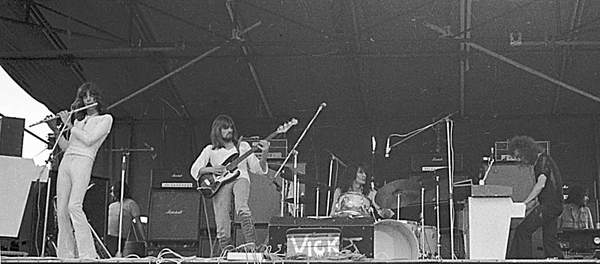
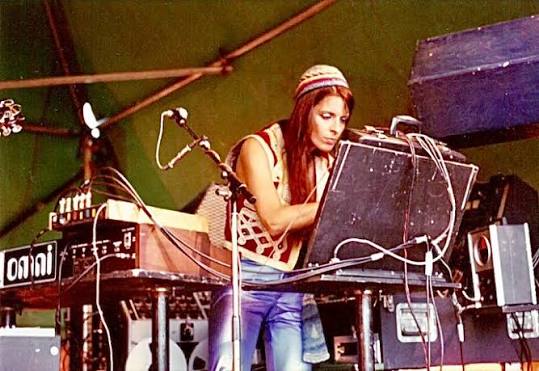
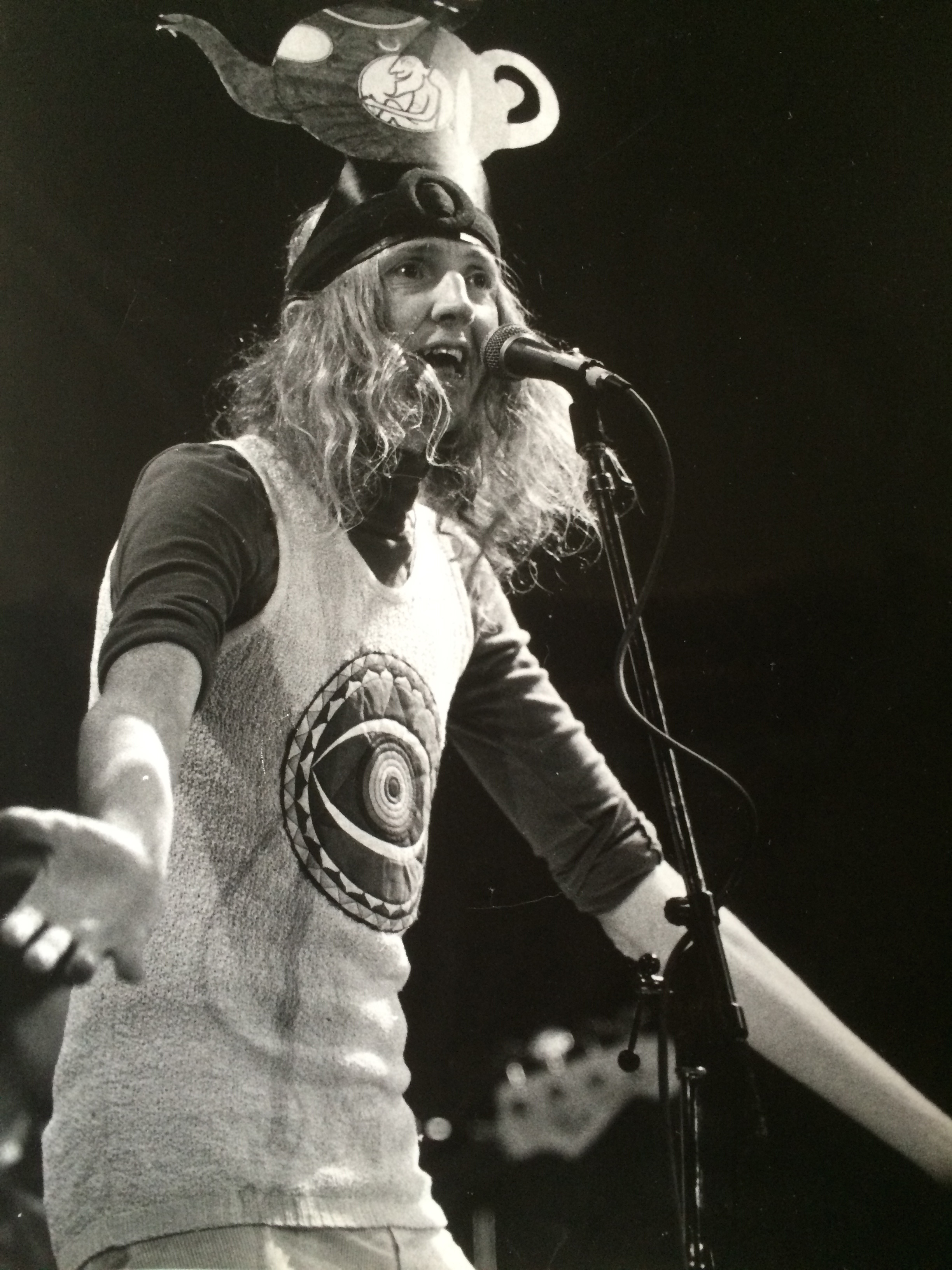
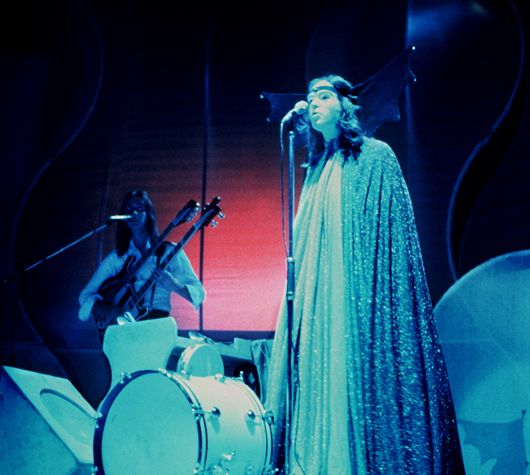
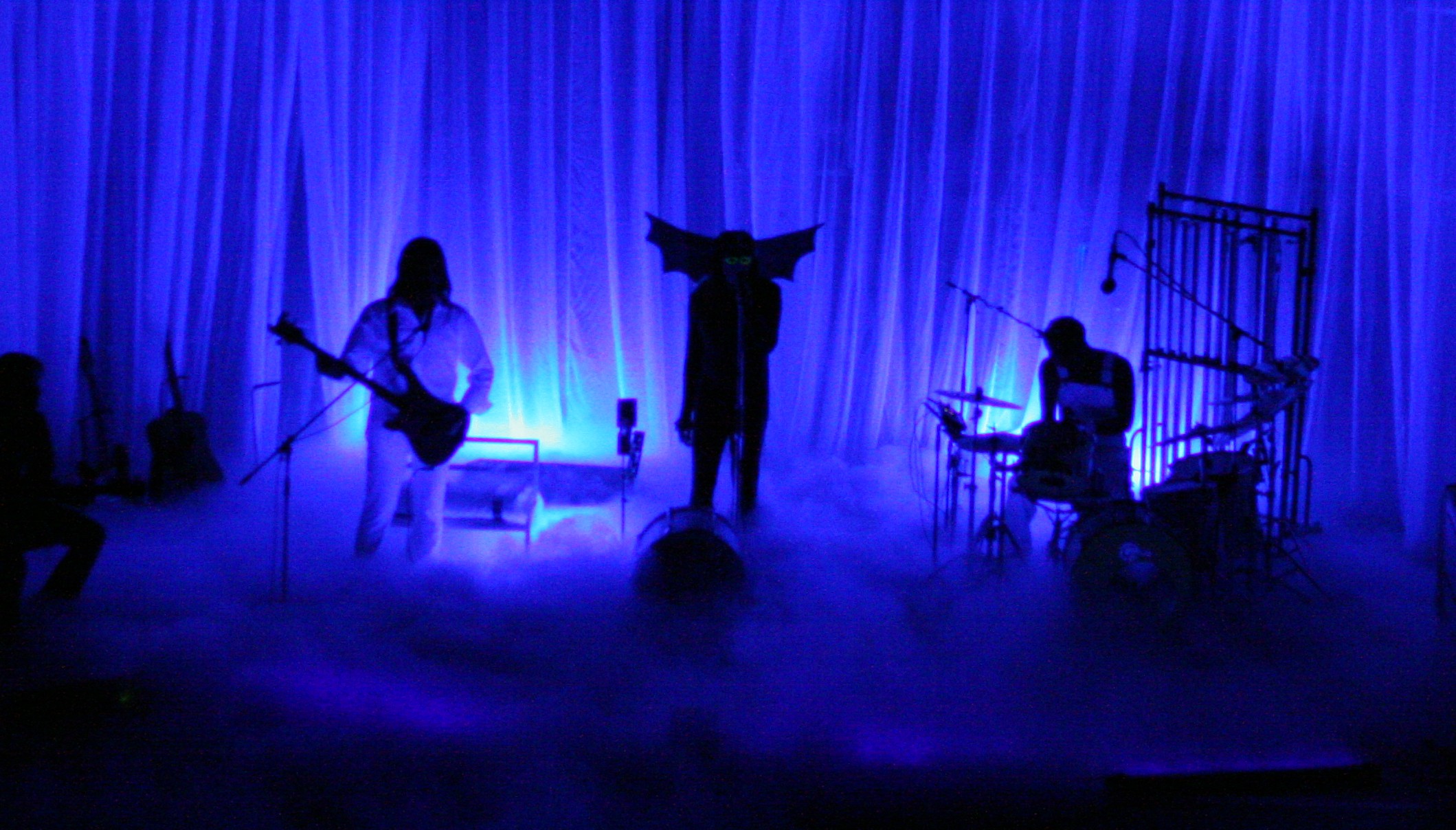
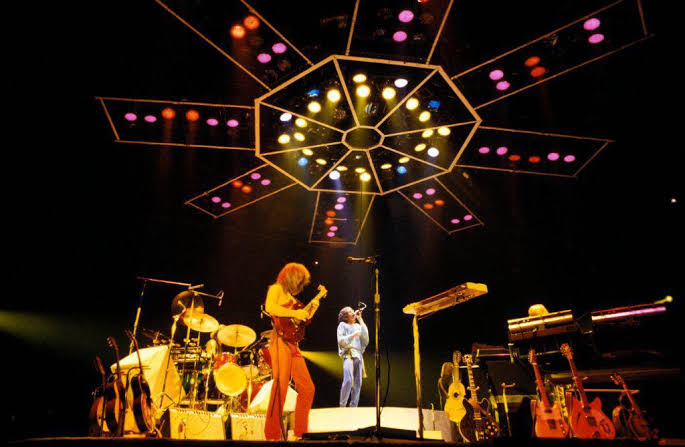
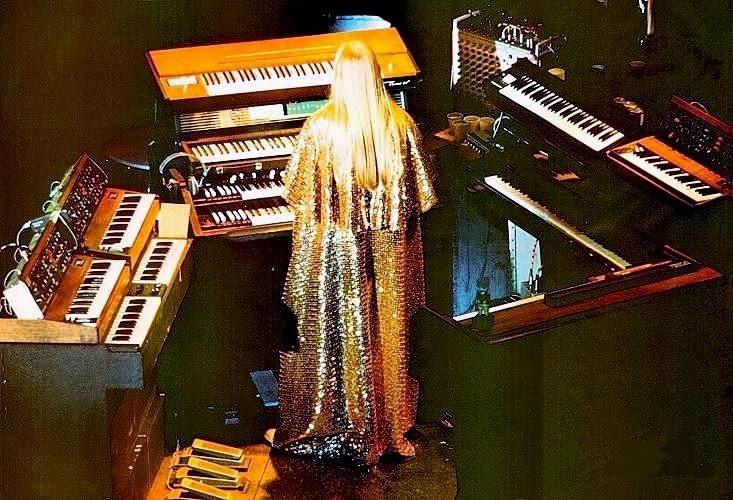
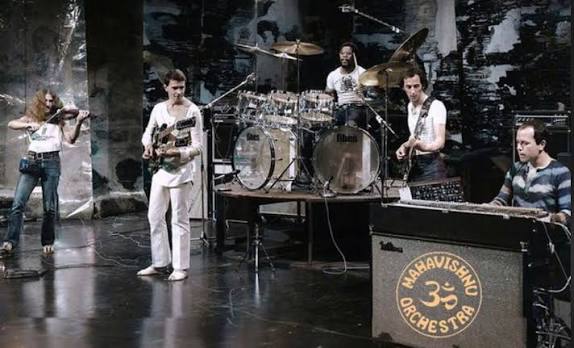
Oh and some wonderful pics from the golden era as well.




.jpg)
.png)
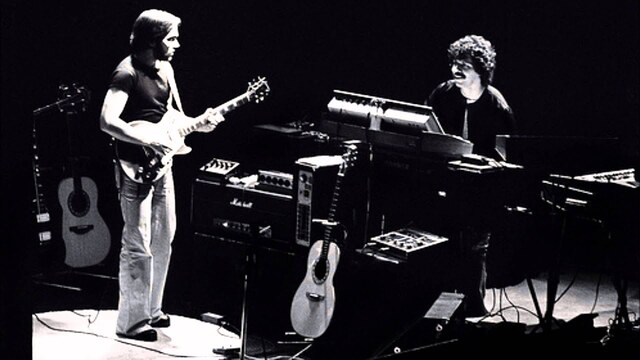
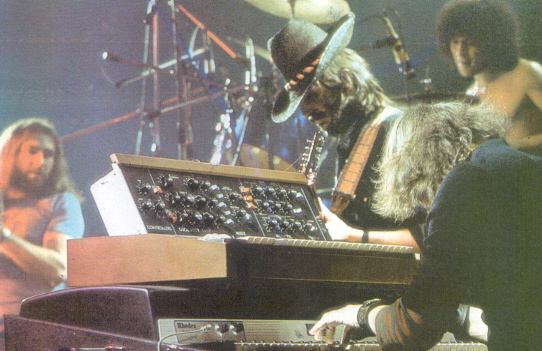
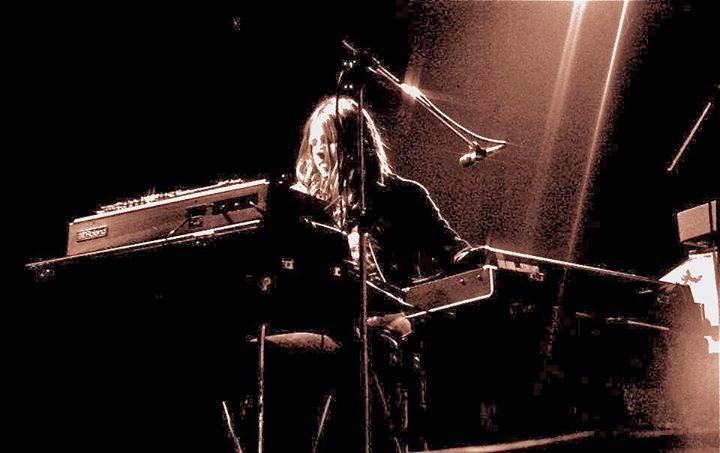
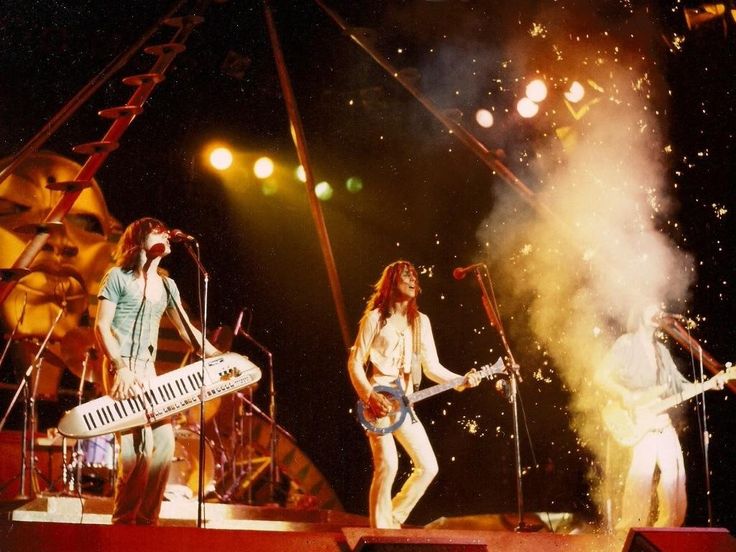
to be continued...
Offline
#11 2019-01-15 10:19:41
- Svetonio
- Member
- Registered: 2012-03-11
- Posts: 8831
Re: What's Prog?
So what happened to our beloved genre in the Eighties? In the late '70s, the music press grew somewhat disinterested in prog as a new phenomenon known as “punk,” crafted at the boutique SEX in London's Chelsea, emerged. The punk hysteria clearly impacted the music industry. However, contrary to the popular myth often repeated on modern internet forums, the 1980s were actually far from a dead zone for progressive music. Indeed, three wonderful, huge things happened in the early Eighties. Notably, in Continental European countries such as France, Belgium, Italy, Germany, Switzerland, and the republics of the former Yugoslavia, young audiences showed considerable enthusiasm for exploring albums by experimental rock acts. The youth of the time were receptive to eccentric jazz-rock and ECM albums from artists worldwide. This included German keyboardist Rainer Brüninghaus, who released his masterpiece album Freigeweht in 1980, and the U.S. acoustic fusion outfit Oregon, who had already achieved greatness in the '70s and now, incorporating synthesizers into their sound, continued dropping fantastic stuff for the ECM label during the '80s. Furthermore, Everyman Band released their phenomenal progressive fusion debut for ECM in 1982. Five years later, the band's guitarist, David Torn, accompanied by a stellar lineup featuring Bill Bruford, Tony Levin, and Mark Isham, released the definitive '80s fusion masterpiece Cloud About Mercury. Audiences also embraced experimental rock waves from both Continental Europe and the U.S., as well as ambient music by Brian Eno and Jon Hassell. Overall, the 1980s saw a noticeable increase in interest in a variety of experimental music.
Univers Zero & Art Zoyd live at the Jazz Pulsation Festival, France, 1980
Begnagrad live in Koper, Slovenia, 1982
Frank Zappa Moggio (from The Man from Utopia, 1983)
Hugh Hopper & Alan Gowen Two Rainbows Daily (from Two Rainbows Daily, 1980)
Dün L'Epice (from Eros, 1981)
Smak Talisman (from Zašto ne volim sneg, 1981)
Kenso 麻酔 Part 2 (from Kenso 2, 1982)
Rainer Brüninghaus Freigeweht (from Freigeweht, 1980)
Everyman Band Japan Smiles (from Everyman Band, 1982)
Oregon Queen of Sydney (from Crossing, 1985)
David Torn Network of Sparks: Egg Learns to Walk... Suyafhu Seal (from Cloud About Mercury, 1987)
Nimal Animal Triste (from Nimal, 1987)
Daniel Schell & Karo If Windows They Have (from If Windows They Have, 1988)
Jon Hassell and Brian Eno Chemistry (from Fourth World Vol. 1 - Possible Musics, 1980)
Deep in the heart of the American Southwest, a group of talented young musicians was brewing up an unorthodox sound quite unlike anything else in the US experimental rock scene at the time, forming the band Cartoon. Keyboardist Scott Brazieal, guitarist Mark Innocenti, and drummer Gary Para set out to fuse intricate arrangements with a distinct sense of playfulness. Their love for animated television scores perfectly matched the classical piano foundation brought by Brazieal. By 1980, the outfit had relocated to San Francisco, where they expanded their line-up with violinist Craig Fry and woodwind player Herb Diamant, ultimately releasing their self-titled debut album, Cartoon, in 1982. Music from Left Field followed in 1983. Overall, their discography remains a masterfully eccentric slice of American avant-garde, seamlessly blending experimental rock discipline with a delightful, Looney Tunes-esque unpredictability.
Cartoon Bottom of the Ninth (from Music from Left Field, 1983)
Mr. Fripp reformed King Crimson, who released three rather good albums inspired by the sound of post-punk; the first, titled Discipline (1981), is a masterwork that demonstrated that Progressive rock, having embraced the new music of the '80s, continued strongly.
King Crimson Thela Hun Ginjeet (from Discipline, 1981)
Another wonderful development in the first half of the '80s was the British Symphonic Rock Revival, now far better known as the Neo-Prog movement, which began with Marillion. This band achieved success with their debut album, Script for a Jester's Tear, released in March 1983. Script for a Jester's Tear is a brilliant example of symphonic rock from the early eighties and, alongside the aforementioned King Crimson's progressive/post-punk trilogy, is a must-have LP in the collection of every prog-head.
Marillion live at Hammersmith Odeon, London, 1983
People who dismiss the 1980s as a weak period for prog rock should discover Solaris' Marsbéli Krónikák (Martian Chronicles) from 1984, an instrumental sympho-rock masterpiece—one of the greatest in that genre—inspired by Ray Bradbury's science fiction novel The Martian Chronicles. Full of dreamy flute and synths, the album is spacey yet symphonic, with intricate compositions that vividly capture the novel's otherworldly themes.
Solaris Marsbéli Krónikák IV-VI - The Martian Chronicles IV-VI (from Marsbéli Krónikák (Martian Chronicles), 1984)
to be continued...
Offline
#12 2019-01-18 11:35:32
- Svetonio
- Member
- Registered: 2012-03-11
- Posts: 8831
Re: What's Prog?
Could any prog-head in the late 1980s have predicted that our beloved genre would experience an instant recovery through a brilliant shotgun wedding with heavy metal? I haven't heard of such a prophet yet, but in the late '80s, Dream Theater de facto saved prog. With the creation of a new subgenre – the amazing DT-school of tasteful progressive metal, which could be defined as metalized sympho-rock à la Yes – they injected new blood into the entire progressive music meta-genre.
Although there had been exciting, albeit sporadic, earlier attempts to merge metal sound and prog rock idioms – perhaps the best example being Stargazer, the track from the 1976 album Rising by British hard-rock band Rainbow that can be called the first progressive/power metal song ever, or the almost ten minutes long song La Villa Strangiato by Canadian hard-rock trio Rush from 1978 – nobody had done it as fundamentally as Dream Theater. It was 1989 when When Dream and Day Unite arrived. That masterpiece debut album blazed from the speakers and inspired thousands of kids to cross over from heavy metal to progressive metal—a style just as heavy in its riffs as any NWOBHM band, yet unmistakably prog. Thanks to Dream Theater, our beloved genre was resurrected in all its glory at a time when everyone thought it was suffering from terminal material fatigue!
Dream Theater The Killing Hand (from When Dream and Day Unite, 1989)
Dream Theater Scene Seven: I. The Dance of Eternity (from Metropolis Pt. 2: Scenes from a Memory, 1999)
Dream Theater Solitary Shell (from Six Degrees of Inner Turbulence, 2002)
Dream Theater A Change of Seasons (Live Scenes from New York, 2000)
to be continued..
Offline
#13 2019-01-19 10:50:50
- Svetonio
- Member
- Registered: 2012-03-11
- Posts: 8831
Re: What's Prog?
Someone said, quite wisely, that the creativity of independent artists has never been better than it is now; thanks to modern technology, there are lots of magnificent albums being released in the new millennium as self-releases on Internet platforms. Prog bands no longer largely depend on the goodwill and taste of record companies. So today, our beloved genre is coming to us from almost all the directions that popular music has given to the world so far. It comes from alt. rock, indie rock, world music, post-rock, freak folk, et cetera, and flows into Prog. And yet, the classic genres of Progressive music that were established in the late Sixties – Progressive rock, Symphonic rock and Jazz-Rock – are not neglected nowadays; on the contrary, there are a number of contemporary bands that are creating their original music within the frameworks of these classic genres as well.
Well, some people will always try to dismiss most of the new stuff and to minimise the quality of contemporary Prog in general, but my advice to a newcomer who is into modern Prog would be – just don’t give a shit about them, because there isn’t any valid argument against the magnificent achievements of contemporary Prog that are here to stay.
Napier's Bones Psychic Driving (progressive rock) (from Alpha-Omega Man, 2017)
Sunchild Victory Voyager (symphonic rock) from Messages from Afar: the Division and Illusion of Time, 2018)
Bosque Four Noble Truths (jazz-rock) (from Four Noble Truths, 2015)
Offline
#14 2019-08-24 08:06:57
- Svetonio
- Member
- Registered: 2012-03-11
- Posts: 8831
Re: What's Prog?
Since a supposed newbie is often going to be faced with the Art Rock label, I'd like to clarify what that term means, because Art Rock is not just an American term for anything more complex than a three-chord rock 'n' roll song. In fact, the term 'art rock' was coined for a distinctive genre that originated in England in the late '60s and could be defined as pop-rock with a strong artistic approach. Art rock was (and is) mostly a British phenomenon, although it can also be found in continental Europe as well as the U.S. The legacy of British Art Rock is tremendous, versatile, and exciting; acts such as The Beatles (who touched many things), The Zombies, early Elton John, Argent, Traffic, The Moody Blues, Barclay James Harvest, David Bowie, Roxy Music, 10cc, Be-Bop Deluxe, Sad Café, The Alan Parsons Project, Supertramp, Metro, Peter Gabriel, and Kate Bush were all outstanding.
Ultimately, both art rock and progressive rock were profoundly important to 20th-century music. While they are distinct genres, they both fundamentally changed the landscape of popular music by elevating rock from simple pop structures to complex, album-orientated art forms.
Although Art Rock was part of the mainstream at the time, due to its often "proggy" sounds, this genre was (and is) highly appreciated among progheads as well.
The Beatles A Day in the Life (from Sgt. Pepper's Lonely Hearts Club Band, 1967)
The Zombies Changes (from Odessey & Oracle, 1968)
The Moody Blues Gypsy (from To Our Children's Children's Children, 1969)
Traffic Freedom Rider (from John Barleycorn Must Die, 1970)
Elton John Tiny Dancer (from Madman Across the Water, 1971)
Roxy Music Sea Breezes (from Roxy Music, 1972)
David Bowie Aladdin Sane (from Aladdin Sane, 1973)
Be-Bop Deluxe Jets at Dawn (from Axe Victim, 1974)
Argent Music from The Spheres (from Nexus, 1974)
Barcley James Harvest Moongirl (from Time Honoured Ghosts, 1975)
10cc Une Nuit a Paris (Part 1) / The Same Night in Paris (Part 2) / Later the Same Night in Paris... (from The Original Soundtrack, 1975)
Peter Gabriel Down the Dolce Vita/Here Comes the Flood (from Peter Gabriel, 1976)
Metro Criminal World (from Metro, 1977)
The Alan Parsons Project What Goes Up (from Pyr△mid, 1978)
Kate Bush In Search of Peter Pan (from Lionheart, 1978)
Sad Café Run Home Girl (from Misplaced Ideals, 1978)
Supertramp The Logical Song (from Breakfast in America, 1979)
Before these distinct pathways fully crystallised, the term "progressive pop" was frequently used interchangeably with "art rock" to describe the vanguard of mid-1960s studio innovation. This transatlantic sonic dialogue reached a crucial turning point with The Beach Boys' seminal 1966 album Pet Sounds, a masterpiece of progressive pop orchestration that proved standard commercial music could be elevated to a serious, album-orientated art form. Indeed, this sentiment was famously echoed by the British music press in July 1966, when Melody Maker ran a major feature evaluating whether the record was definitively "the most progressive pop album ever". Whilst the entire record pushed traditional boundaries, its most experimental and progressive track is undoubtedly Caroline, No. Making brilliant use of unconventional instrumentation like harpsichords and deep bass flutes, it culminates in a haunting outro featuring the sound of a passing train and barking dogs. This radical studio wizardry paved the way for British musicians to deconstruct rock entirely, turning progressive pop's initial sophisticated experiments into the full-fledged art rock movement.
Offline
#15 2019-12-03 05:11:59
- Svetonio
- Member
- Registered: 2012-03-11
- Posts: 8831
Re: What's Prog?
The term progressive folk-rock, or shortened to "prog-folk," did not actually exist at the time; it was simply folk-rock. However, in hindsight, we can say that some of the 70s folk-rock endeavours truly belonged to the Progressive music zeitgeist.
Pentangle Light Flight (from Basket of Light, 1969)
Strawbs The Shepherd's Song (from From the Witchwood, 1971)
Trio Dag Cvet starog samuraja (The Old Samurai's Flower) (from Sećanja, 1974)
Harmonium Depuis l'automne (Since Autumn) (from Si on avait besoin d'une cinquième saison, 1975)
S Vremena Na Vreme Tema classica (Classic Theme) (from S vremena na vreme, 1975)
Iraklis Se Allous Kosmous (In Other Worlds) (from Se Allous Kosmous, 1976)
Suncokret Prvi sneg (The First Snow) (from Moje bube, 1977)
Ougenweide Ich Sinn', Ich Denke Hin Und Her (I Muse, I Think Back and Forth) (from Frÿheit, 1978)
Jethro Tull Dun Ringill (from Stormwatch, 1979)
Offline
Board footer





Powered by  © Copyright 2002–2005 Rickard Andersson
SteveA's forums are free for everyone to use, however if you would like to contribute to the upkeep I would be grateful for any donation!